At the 2026 International Tourism Fair (FITUR), held annually in Madrid, Spain, leading representatives from the tourism and technology sectors are sharing their experience and knowledge on innovation and sustainable growth, with the goal of driving technological development in tourism.
In this context, Javier García Bejos, CEO of Grupo Aeropuertos Mexicanos, gave an interview to the Heraldo Media Group team, highlighting an 8 billion peso investment earmarked for the rehabilitation of the Tepic and Puerto Escondido airports.
García explained that this project has been made possible through the partnership between Aeropuertos y Servicios Auxiliares (ASA) and Grupo Aeropuertos Mexicanos, which gave rise to Grupo Aeroportuario Turístico Mexicano (GATM). For the past two and a half years, this group has been managing the transformation of the Puerto Escondido airport, as well as the Tepic-Riviera Nayarit airport.
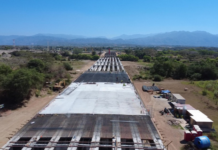
The results of these investments are reflected in a first phase that includes more than 8 billion pesos allocated to modernizing airport infrastructure. The work includes the rehabilitation of runways and taxiways, the renovation of control towers, and the construction—currently in its final phase—of two new terminal buildings, one at each airport.
According to Javier García, these projects represent a great responsibility, as they are the main gateways to two of the country’s most important tourist destinations, which has generated high expectations nationwide.
The public response has been positive. In the case of Puerto Escondido, the number of passengers reached one million in 2025, compared to a previous average of around 250,000, representing an almost fourfold increase in passenger traffic.
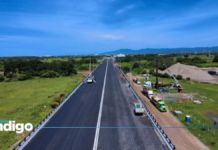
Furthermore, tourism in Puerto Escondido has been strengthened by the warm hospitality extended to visitors and by the new highway connecting the destination to the city of Oaxaca in approximately two hours, benefiting both those seeking to enjoy the beach and those requiring faster travel between the two locations.
In the case of the Tepic–Riviera Nayarit airport, the effort was even greater, as it involved a collaborative effort with highway infrastructure. The completion of the Guadalajara–Puerto Vallarta highway stands out; it passes through Tepic and, from that junction, connects to the airport, allowing access to the Riviera Nayarit in just 45 minutes.
Thanks to this connectivity, beaches such as Punta Mita, Sayulita, San Marcos, Guayabitos, Costa Canuva, and the entire northern area up to Platanitos have maintained steady tourism development. Among the main benefits of this project are its strategic location and the new infrastructure, which has already allowed for the arrival of international flights from the United States and Canada for several months, expanding tourist demand.
García emphasized that these destinations strengthen the tourism offerings of the Mexican Pacific. He also announced that growth will continue through 2026 with the completion of the new terminal, a project that reflects the essence of Oaxaca and Puerto Escondido, conceived as an open, dynamic, and environmentally sustainable space.
In the medium and long term, sustained growth is projected for the airport. García hinted at a “very big surprise” in store, as they estimate that passenger traffic could exceed 1.5 million in the next two years. All of this will be achieved while maintaining a commitment to local businesses, industries, restaurants, and services, with the goal of encouraging more people to visit Mexico’s natural treasures, especially the beaches of these regions.

Source: heraldobinario